
Custom Resin Figurine Manufacturing Process
Follow the approval chain from buyer brief to packing, and identify the decisions that keep a resin project moving.
By KELIKULI · Purchasing guidance
Brief and design review
Begin with the product’s intended use, all visible views, dimensions, target quantity and destination. Resolve missing surfaces and unclear details before modeling. Confirm rights to character artwork and logos with the relevant rights holder.
Design review should address thin parts, deep recesses, stability and assembly. A suggested manufacturing change needs buyer approval if it alters appearance or function. Keep one current artwork revision so different teams do not work from different files.
Model, master and prototype
Review the model for proportions and the physical sample for size and handling. Decide whether the first sample is intended to prove shape, paint appearance, fit or all three. A screen rendering cannot confirm weight, balance or a working closure.
Record comments against numbered views. Once the master is approved, tooling work can be scoped. Later changes to the sculpt may affect molds, paint masks and packaging, so they should trigger a schedule and cost review.
Molding, casting and surface preparation
The approved shape informs mold separation and the number of parts. Trial castings allow the team to examine seams, trapped air, distortion and assembly. Trimming and surface preparation happen before the final finish is judged.
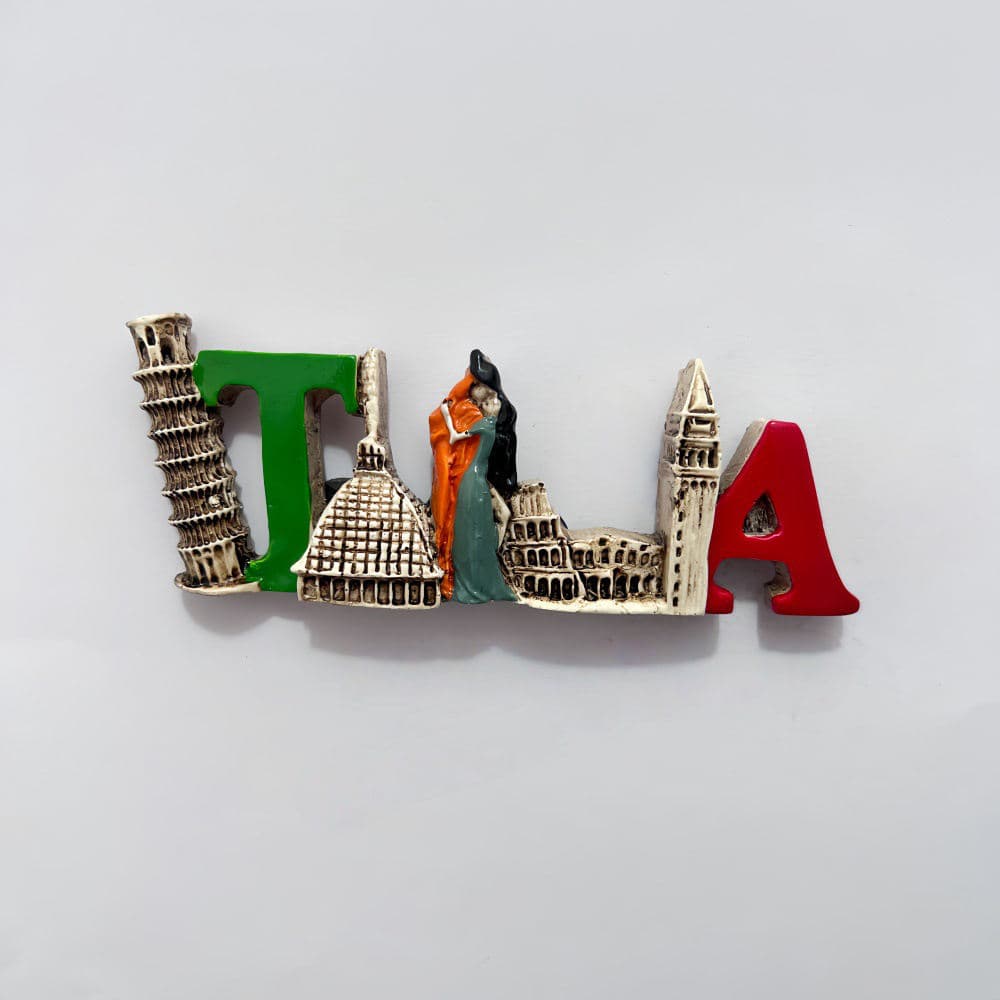
Specify which dimensional or functional points matter most. On a magnet, the back attachment and overall weight matter alongside the relief detail. On a memorial container, the closure and capacity require their own review rather than appearance approval alone.
Paint approval, packing and release
Approve the paint map, color references, surface effect and acceptable variation. During production, compare the work with that approved reference. A hand-painted surface needs clear appearance limits rather than an expectation of identical brush marks.
Check the product in its actual inner support and box. Agree inspection timing, the treatment of rejects and who authorizes shipment. Independent testing, when required for the intended product and market, is a separate workstream; an attractive sample does not establish compliance.
- Approved sculpt and assembly
- Approved painted reference
- Agreed inspection and defect criteria
- Approved packing and shipment release
Before requesting a quotation
- Each stage has an identified approver
- The current artwork and sample revision are recorded
- Functional and appearance approvals are distinct
- Packing and any testing are included before shipment
The related manufacturing service
See a development brief
Custom Lab · Project inquiry
Bring your brief. Let’s define the next step.
Share artwork, target quantity, dimensions and destination. We will review the scope before confirming price, MOQ or timing.